
Real-Life Barbie Dolls: A Fascinating Blend of Beauty and Controversy
The term “Barbie” has for decades been synonymous with a specific standard of beauty: long legs, an impossibly thin waist, blonde hair, and doe eyes. Since the debut of the first Barbie doll in 1959, many have aspired to replicate her looks, with some going to great lengths to physically resemble this iconic figure. Real-life Barbie dolls are individuals who have undergone various procedures, from makeup and styling to invasive surgery, to emulate this plastic doll’s aesthetic in real life.

Examples of Real-life Barbie Dolls
Meet the girls who dress up like Barbie dolls. Venus Palermo, known online as Venus Angelic, is a 15-year-old girl and also a living doll. Venus decided to give her image an overhaul on her return to London two years ago, after spending time in Japan and being inspired by the craze for Japanese anime.
Venus isn’t the only real life doll. Dakota Rose, going under the name Kota Koti, has built up a large fanbase with her online make up tutorials that show how you can get the doll look. As would be expected from a real life doll doe eyed Dakota Rose very rarely speaks in the videos.
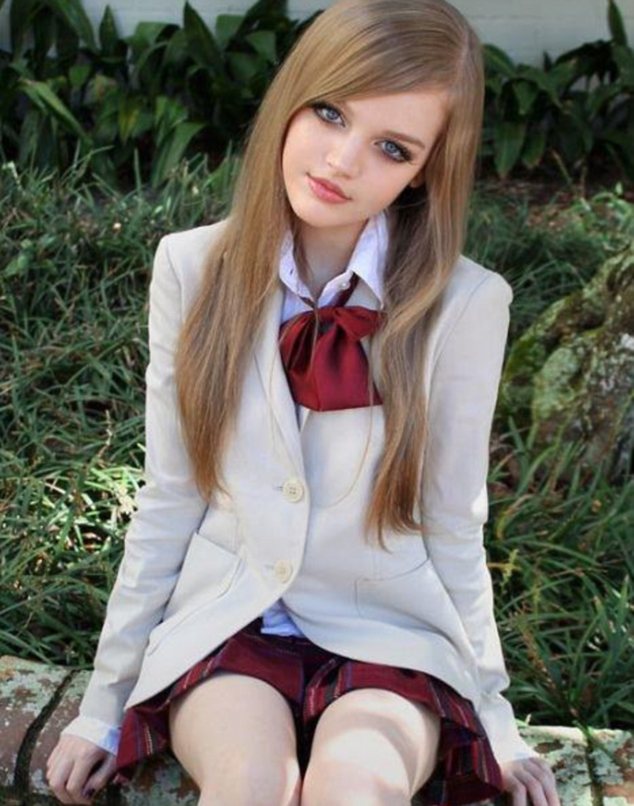
Valeria Lukyanova: Perhaps the most famous real-life Barbie, this Ukrainian model gained international attention for her striking resemblance to the toy. Through a combination of makeup, contact lenses, and possible surgical procedures (though she’s made mixed statements about the extent of these), Lukyanova transformed her appearance. Her waist is tiny, her eyes large and wide, and she even claims to be on a special diet and exercise regimen to maintain her Barbie-like figure.

Angelica Kenova: Another Russian entrant into the real-life Barbie world, Kenova reportedly had a lifestyle crafted by her parents from a young age to resemble the famous doll. This involved strict diets, high-end fashion, and extensive grooming. Kenova also claimed never to have undergone plastic surgery and that her look was the result of natural beauty combined with a particular style of makeup and clothing.

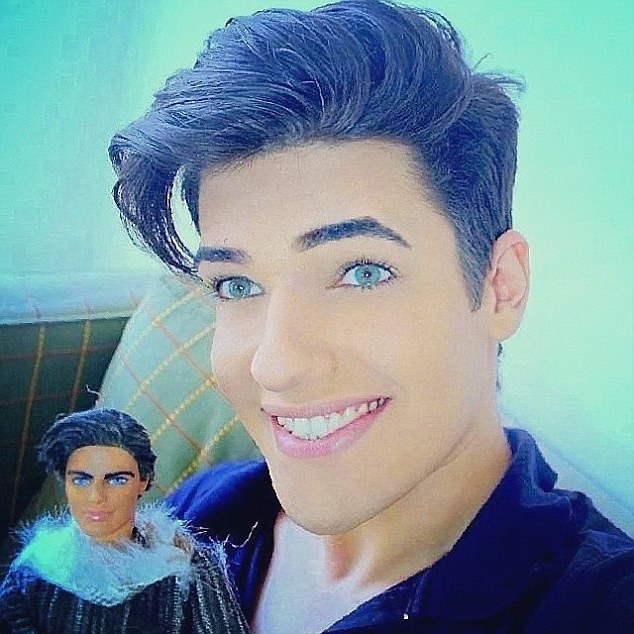
Celso Santebañes: Proving that the Barbie phenomenon isn’t restricted to women, Brazilian Celso Santebañes spent thousands on surgery to look like Ken, Barbie’s boyfriend. From nose jobs to botox injections, he modified his appearance to emulate the plastic perfection of Ken.
The Fascination Behind the Transformation
The motivations behind these transformations are multifaceted. For some, it might be a form of self-expression or art. For others, it’s an aspiration to attain what they see as the epitome of beauty, based on societal norms that have been influenced by pop culture and toy industries.
Moreover, the Barbie doll, despite being a children’s toy, has long been a symbol of idealized femininity. Its pervasive presence in many girls’ childhoods worldwide means that it has an outsized influence on forming early beauty standards. As such, it’s perhaps unsurprising that some might be driven to resemble this epitome of perfection, no matter the cost.
The Controversies and Criticisms
While the idea of transforming oneself to look like a plastic doll is undoubtedly fascinating, it doesn’t come without criticisms and controversies.
- Unrealistic Beauty Standards: One of the main critiques of Barbie dolls, to begin with, is that they perpetuate unrealistic and harmful standards of beauty. When individuals transform themselves to emulate this standard, they further these skewed notions, potentially influencing young minds about what “beauty” should look like.
- Health Concerns: The drastic measures that some individuals might take to achieve these looks can be detrimental to their health. From extreme diets to multiple plastic surgeries, these actions carry risks.
- Identity and Authenticity: Critics often question the psychological implications of such drastic transformations. Is this a pursuit of one’s genuine self, or is it a manifestation of societal pressures? Does resembling a mass-produced plastic doll compromise one’s individuality?
To sum up:
The phenomenon of real-life Barbie dolls is a complex interplay of individual aspiration, societal beauty standards, and pop culture influences. While the transformations of figures like Valeria Lukyanova and Angelica Kenova are undeniably fascinating, they also raise questions about the nature of beauty, identity, and the lengths people might go to fit a particular mold.
However, in a world increasingly embracing individuality and diverse beauty standards, the real-life Barbie and Ken trend can also be seen as a counter-narrative. It’s a testament to the myriad ways beauty manifests and the lengths people will go for self-expression.
In the end, whether viewed as art, obsession, or a blend of both, real-life Barbies serve as a mirror, reflecting broader societal views on beauty, identity, and the concept of ‘perfection.’
110621
Talk about high maintenance! Pass!
Pingback: Toddler’s clothes | Daddy Dazed