
The Buddhist monks who mummify themselves for nirvana.
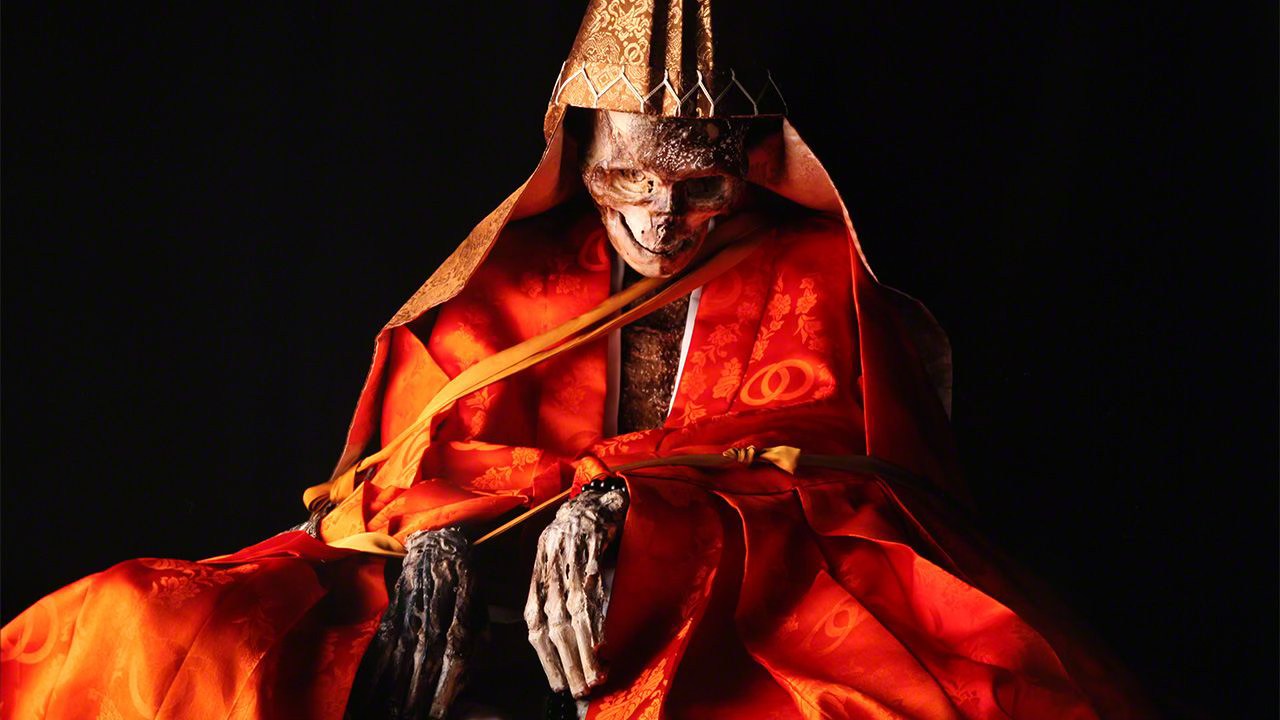
In the secluded mountains of Japan, a mysterious and ancient ritual once saw monks attempting to achieve “sokushinbutsu,” or self-mummification, as a path to enlightenment. These monks, primarily from the Shingon Buddhist sect in the Yamagata region, believed they could reach nirvana by transforming themselves into mummified relics through a painstaking process that lasted years, and in rare cases, ended with them preserved as living statues. While the practice is now forbidden, around two dozen preserved bodies still exist in temples across Japan, where they are honored and revered. Here’s the intriguing, complex, and sometimes chilling story of these self-mummifying monks and the process behind sokushinbutsu.
The Origins of Sokushinbutsu: A Path to Enlightenment
Sokushinbutsu originated within the teachings of Shingon Buddhism, a branch founded by the monk K?kai in the 9th century. The sect, which translates to “True Word,” emphasizes esoteric practices and the idea of attaining enlightenment in the physical body, an ideal that led to the development of sokushinbutsu. Inspired by beliefs that enlightenment could be reached in the body through extreme self-discipline and asceticism, monks who undertook sokushinbutsu believed they were preserving themselves as eternal guardians of humanity.
K?kai taught that it was possible to become one with Buddha through strict discipline, and while he didn’t directly promote sokushinbutsu, his ideas laid the groundwork. The monks who later pursued self-mummification aimed to achieve Buddhahood and become deities who could assist others from the spiritual realm.
The Grueling Three-Phase Process of Self-Mummification
Achieving sokushinbutsu was a long and grueling endeavor that unfolded in three distinct phases over several years. This process required extraordinary commitment, mental resilience, and discipline, as the monks prepared their bodies for preservation.
- First Phase: Mokujikigyo (Wood-Eating Practice)
For the first 1,000 days, the monk subsisted on a diet of nuts, seeds, and small amounts of water, gradually cutting out food sources to eliminate fat from the body. This rigorous diet had a dual purpose: it removed bodily fat, which would otherwise rot and prevent preservation, and it also heightened the monk’s mental state. They often spent these days in isolation, meditating and training their minds to endure the journey ahead. - Second Phase: Diet of Bark and Roots
After completing the first 1,000 days, the monk reduced his diet further, subsisting only on pine bark, roots, and natural resins. During this stage, they also drank a special tea made from the toxic urushi tree sap. The sap, used to make Japanese lacquerware, was mildly poisonous and helped discourage bacteria and parasites from consuming the monk’s body after death. This period involved an even stricter diet and continued meditation, as the monk’s body slowly weakened and became resistant to decay. - Final Phase: Burial Alive and Meditation Until Death
In the final stage, the monk entered a stone tomb, which was then sealed with only a small tube for air. Sitting in the lotus position, he meditated, ringing a bell each day to signal he was alive. When the bell stopped ringing, the tube was removed, sealing the tomb completely. The monk’s body was then left undisturbed for about three years, after which the tomb was opened to check if the self-mummification process had succeeded. If the body was preserved without decay, the monk was declared a sokushinbutsu and venerated as a Buddha.
The Spiritual Significance of Sokushinbutsu
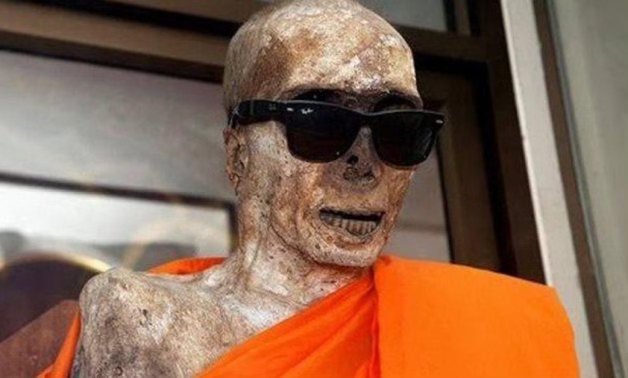
Sokushinbutsu was regarded as a form of ultimate sacrifice and a way to reach enlightenment. By preserving their physical bodies, the monks believed they could provide guidance and protection to their communities for centuries to come. This form of self-mummification was not merely about physical endurance; it was a deeply spiritual act meant to align the monk’s mind, body, and spirit with eternal compassion.
Those who achieved sokushinbutsu were viewed with great reverence, seen as powerful Buddhas who could protect and bless their communities. Many were even associated with miracles or credited with extraordinary powers, which further added to the reverence surrounding the practice.
Why Sokushinbutsu Was Eventually Forbidden
The practice of sokushinbutsu continued into the 19th century but gradually became outlawed by the Japanese government during the Meiji period (1868-1912), when the country underwent major changes aimed at modernization and curbing Buddhist influence. Sokushinbutsu was viewed as an extreme, outdated, and potentially dangerous religious practice, and authorities took steps to prevent its continuation.
Despite its prohibition, the mummified bodies of monks who had succeeded in self-mummification were not only preserved but also honored, and they remain to this day in temples across Japan. Today, these relics are celebrated as sacred artifacts, revered by pilgrims and visitors who come to pay their respects.
Sokushinbutsu Today: Legacy and Modern Perception
The mummified monks are now important cultural symbols and can be seen in temples across Japan, particularly in the Yamagata region. Temples such as Dainichi-B? and Ch?renji still house sokushinbutsu, where the preserved bodies are displayed for worship and protected as cultural treasures. Visitors often marvel at the serene expressions on the faces of these monks, reflecting their devotion and discipline, even in death.
While sokushinbutsu might appear shocking to modern viewers, it represents a profound act of spiritual devotion that goes beyond physical limits. For many, it’s a testament to the incredible power of human will and the depths of faith, discipline, and commitment in pursuit of enlightenment.
Final Thoughts
Sokushinbutsu offers a fascinating glimpse into the spiritual history and cultural legacy of Japanese Buddhism. While the practice is no longer in use, the monks who undertook this path have left behind more than mummified remains—they’ve created a legacy of profound sacrifice, dedication, and mystical reverence. Their preserved forms continue to inspire and mystify, and for those who visit the temples in Yamagata or elsewhere, sokushinbutsu remains an enduring, tangible connection to Japan’s ancient spiritual traditions.
Whether seen as a form of enlightenment or as an example of extreme religious devotion, the self-mummifying monks of Japan have left a powerful mark on history, one that invites reflection on the lengths to which people will go in the pursuit of their beliefs.