
Imagine being stuck on a stranded ship, entirely alone, for four years, with no idea when you’d be able to step foot on solid ground again. This was the surreal reality for Syrian sailor Mohammed Aisha, whose legal and bureaucratic nightmare turned him into a modern-day castaway—except his island was a rusting cargo ship abandoned off the coast of Egypt.
How It All Began: The Making of a Maritime Nightmare
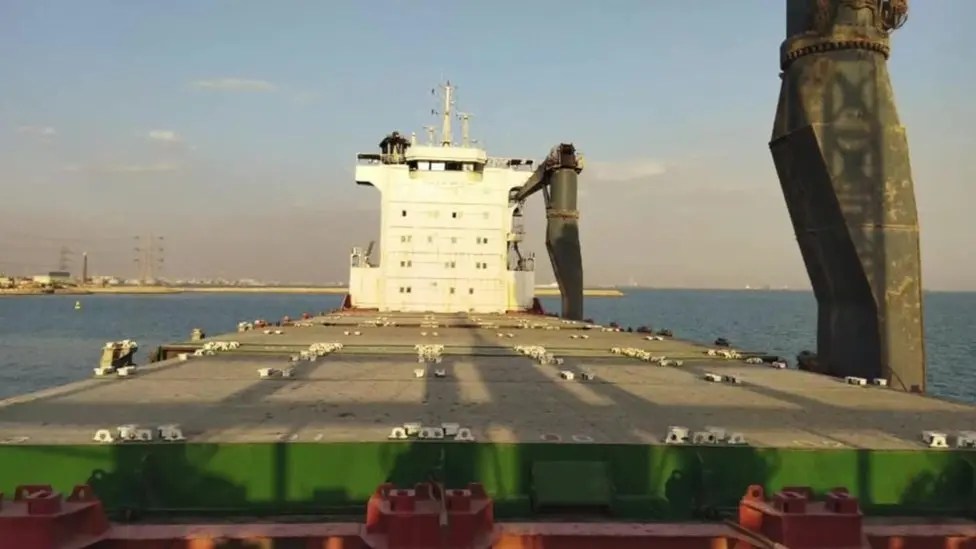
Mohammed Aisha was the chief officer of the MV Aman, a cargo ship owned by a Bahraini company. In 2017, his routine voyage took an unexpected turn when Egyptian authorities detained the ship at the port of Adabiya due to expired safety equipment and outstanding debts. With the ship’s safety certificate revoked, the company couldn’t legally operate, and the Aman was unable to leave port.
Then came the twist: in Egyptian maritime law, when a ship is detained, someone from the crew must stay on board as the ship’s “legal guardian” to ensure its upkeep and prevent it from being neglected. This unfortunate role was thrust upon Mohammed, and without his consent, he was effectively confined to the Aman, a vessel that would soon feel more like a floating prison.
Living the Isolation of the High Seas
For the first year, Mohammed wasn’t entirely alone. He had a small crew who kept him company, shared meals, and passed the time together. But as time wore on and the company failed to pay wages or sort out the ship’s legal troubles, one by one, his crewmates were repatriated. Mohammed, however, remained shackled to the Aman as its legal guardian.
As days turned into years, Mohammed was left entirely alone on the ship. Food and water supplies dwindled, the ship’s power would often fail, and he was forced to fend for himself with little outside assistance. At one point, a support boat would come sporadically to bring him essentials, but Mohammed had no clear idea of how long this exile would last.
“I felt like I was losing my mind,” he later admitted in an interview with BBC News. “My body was in pain. I couldn’t breathe properly… I didn’t know if anyone would ever come to get me.” Mohammed even became ill with a severe case of scurvy, his diet lacking in necessary nutrients to stay healthy.
A Tale of Bureaucracy Gone Mad
The circumstances of Mohammed’s ordeal highlight how unbending laws and red tape can lead to severe consequences for individuals. According to Egyptian regulations, a crew member must remain on board for the ship to be officially detained, even if that crew member’s welfare is at risk. Mohammed couldn’t leave without breaking the law, and the Aman’s owners could do little, citing financial issues and legal restrictions that kept the situation at a standstill.
“Each time I was promised help, it never materialized,” he told The Guardian in 2021. “People would come, they would go, they’d say the papers were coming, but nothing changed.”
Mohammed’s plight caught international attention, with organizations like the International Transport Workers’ Federation (ITF) lobbying for his release. But the tangled web of legal and corporate interests stalled his case repeatedly. For Mohammed, each day on board felt endless, a perpetual waiting game with no clear endpoint.
Escape by Swim
In March 2021, Mohammed made a desperate decision. Seeing the Egyptian shore just over a mile away, he decided to swim for it, hoping to find some form of freedom, even if temporary. Exhausted and disheartened, he reached the shore and was briefly able to escape the confines of his ship—but still, he was legally bound to return to the Aman. “I felt like I was caged,” he said. “It was as if they put me on a deserted island and threw away the key.”
Freedom at Last
Finally, after years of advocacy and international pressure, Mohammed was released in April 2021. His case became a media sensation and brought much-needed attention to the harsh realities faced by seafarers who, due to complex laws and corporate neglect, are sometimes treated as collateral damage in the maritime industry.
When he was finally freed, Mohammed reflected, “It feels like I’ve come back from the dead.” In interviews with the BBC and Al Jazeera, he expressed his joy and relief to be among friends and family again, away from the haunting isolation of the sea.
Lessons Learned from Mohammed’s Ordeal
The case of Mohammed Aisha serves as a stark reminder of the complexities surrounding maritime laws and the need for reform to protect the rights and welfare of seafarers. Thousands of seafarers across the globe face similar detentions on abandoned vessels every year, often without pay and under extreme physical and emotional strain.
The MV Aman may have rusted into obscurity off the Egyptian coast, but the memory of Mohammed’s isolation remains an unforgettable symbol of resilience and human will. It’s a story of survival that underscores the need for stronger international laws to prevent future seafarers from experiencing such an ordeal.
For more on Mohammed’s story, you can read his interviews in BBC News or watch his account on Al Jazeera. His incredible journey shines a light on the hidden struggles of those who keep our global economy moving—sometimes at an unimaginable personal cost.